
heritage

heritage
Rome’s heritage is a living tapestry woven from nearly three millennia of history, making it one of the most culturally significant cities in the world. As the heart of the ancient Roman Empire, Rome shaped law, architecture, engineering, and governance in ways that still influence modern societies. Monumental structures such as the Colosseum, the Pantheon, and the Roman Forum stand as enduring symbols of Roman ingenuity, showcasing advanced construction techniques, grand urban planning, and a deep understanding of public life and civic identity.
Beyond its imperial legacy, Rome’s heritage is profoundly marked by its role as the center of the Catholic Church. Vatican City, with St. Peter’s Basilica and the Sistine Chapel, represents centuries of religious, artistic, and political history. The city became a cradle of Renaissance and Baroque art, attracting masters like Michelangelo, Raphael, Bernini, and Caravaggio, whose works transformed Rome into an open-air museum. Churches, palaces, fountains, and piazzas reflect this artistic evolution, blending spiritual meaning with dramatic beauty.
What makes Rome’s heritage truly unique is how seamlessly the past coexists with everyday life. Ancient ruins sit beside busy streets, medieval churches rise above Roman foundations, and traditions passed down through generations continue to shape local culture, festivals, and cuisine. Rome is not preserved as a relic of history, but lived and experienced daily—an ever-evolving city where history is not only remembered, but felt at every step.
restaurants
restaurants
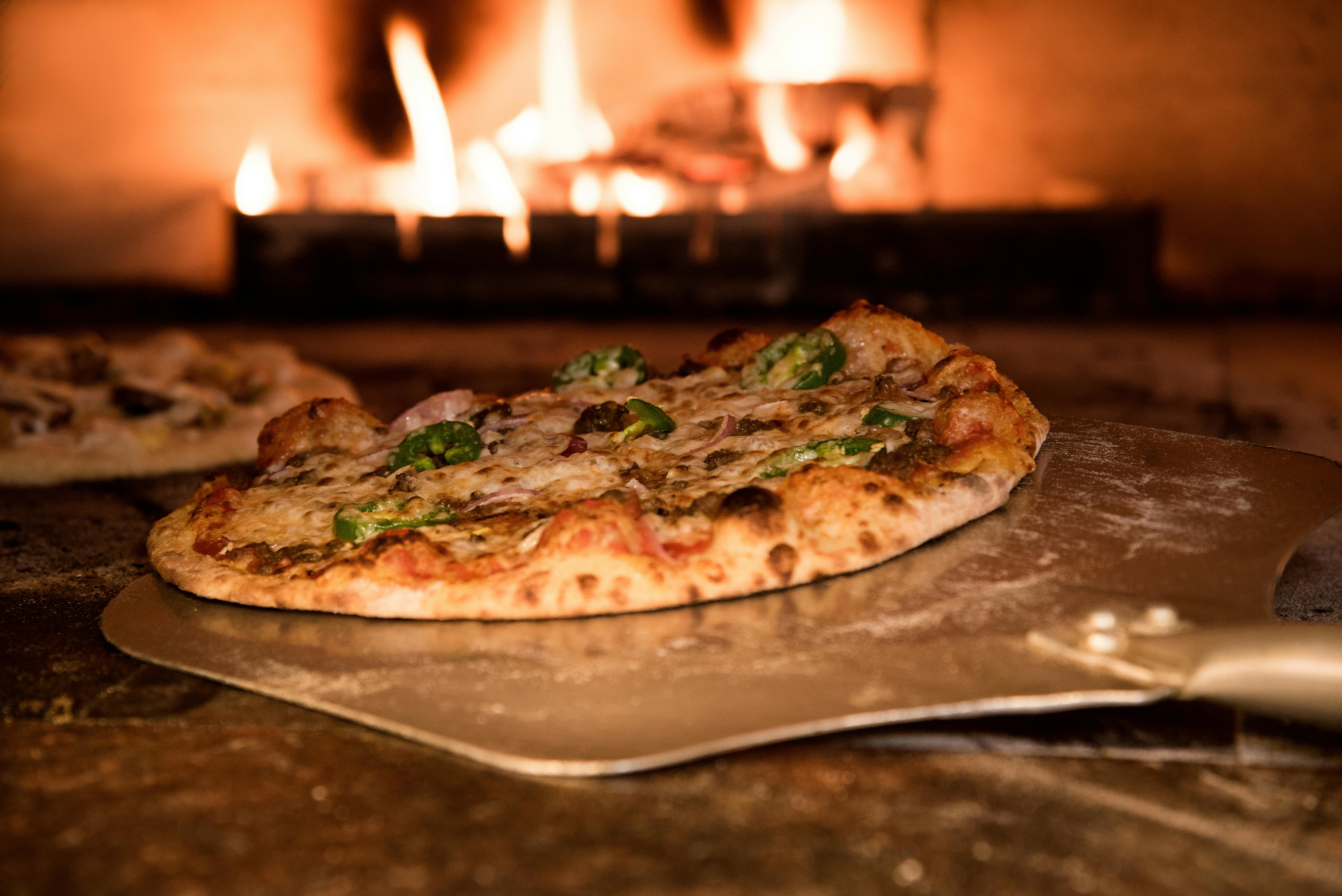
Pizza in Rome is more than just food—it is a cherished part of daily life and local identity. Unlike the soft, airy Neapolitan style, Roman pizza is famously thin and crisp, with a light, crunchy base that cracks slightly with every bite. Simple, high-quality ingredients are key, allowing classic flavors like tomato, mozzarella, olive oil, and fresh herbs to shine without excess.
One of the most popular styles is pizza al taglio, baked in large rectangular trays and sold by weight in neighborhood bakeries and pizzerias. This format encourages variety, with toppings ranging from traditional margherita and potato with rosemary to seasonal vegetables and creative modern combinations. Locals often grab a slice as a quick lunch or snack, making pizza an integral part of Rome’s fast-paced urban rhythm.
Whether enjoyed standing at a counter, shared with friends in a bustling pizzeria, or eaten late at night after a stroll through the city, pizza in Rome reflects the city’s character—simple, authentic, and deeply rooted in tradition. Each bite tells a story of craftsmanship, local taste, and a love for good food that has been passed down for generations.